
Credit Cards · Card to Bank
Credit Card to Bank Account Transfers: What to Know Before You Do It
The real cost of moving money from a card to a bank account, and the safer options worth checking first.
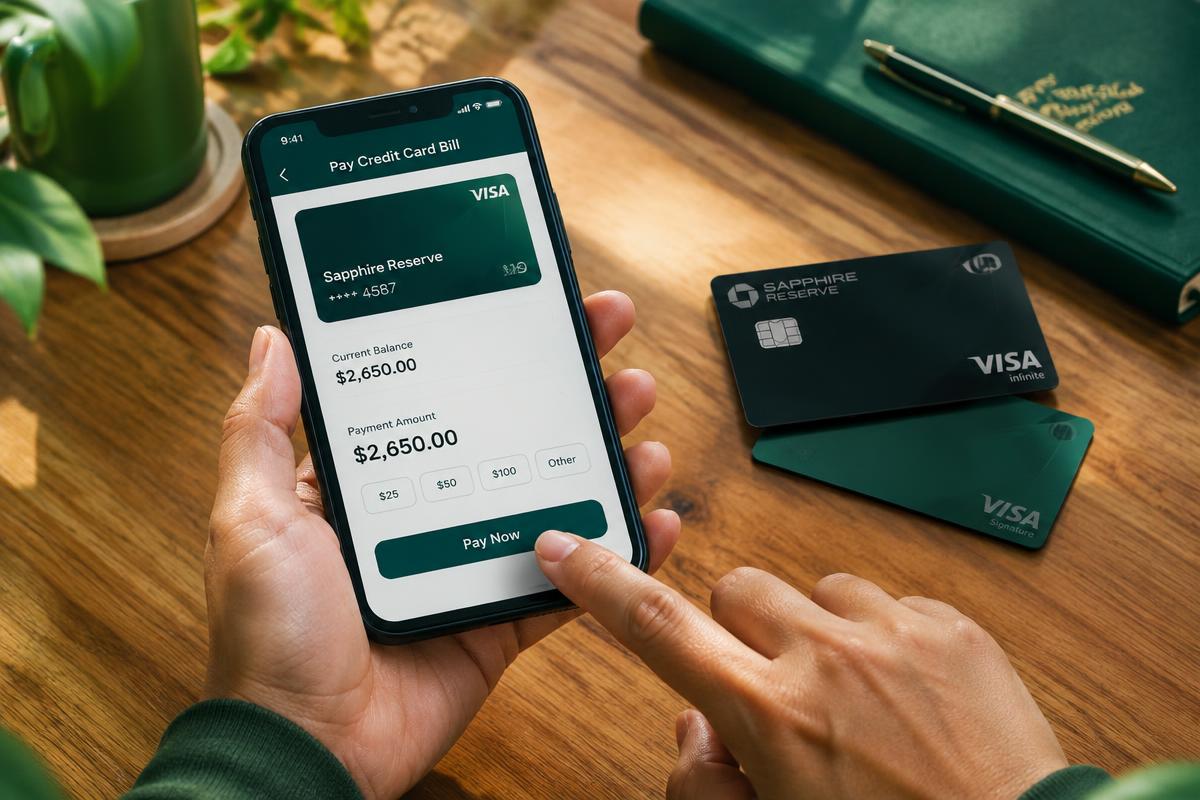
Moving money from a credit card into a bank account is possible, but it is rarely the cheapest way to raise short-term funds. Understanding the charge structure first prevents an expensive surprise on the next statement.
This guide explains the common routes, how each is priced, and the alternatives worth comparing before you commit.
The common routes and how they differ
Read the fee schedule for each route in your issuer app before you tap anything. Two options that look identical on the home screen can be priced very differently once the fee, the tax and the interest start date are taken into account, and the difference over a few months is rarely small.
Issuers treat these transactions differently, and the label on the app matters because it decides the pricing.
- Cash advance at an ATM: a fee plus interest from day one, with no interest-free period
- Issuer-offered loan on card: a fixed rate and tenure, usually cheaper than a cash advance
- Balance or fund transfer to a bank account: a processing fee, sometimes with a promotional rate
Working out the real cost
Add the processing fee, applicable tax and the interest over the period you will actually take to repay. Compare that total against the alternative, not against the headline percentage.
Also watch your credit utilisation: a large transfer pushes your used limit up, which can affect how your profile is assessed.
Safer alternatives to compare first
Before using a card for cash, check whether a secured or structured option is available. For households with idle gold, a properly compared gold facility or a Gold Loan Closer review can work out considerably cheaper.
- An issuer loan on card at a fixed rate
- A secured facility against an existing asset
- Converting a large purchase to EMI instead of withdrawing cash
Avoid unregulated third-party services
Services that promise to convert a card limit to cash outside the issuer's own channels often carry hidden charges and put your card data at risk. Use only your issuer's app, net banking or an authorised channel.
A worked example
Suppose you need ₹50,000 for two months. A cash advance might cost a withdrawal fee plus interest from day one at a high monthly rate. A credit card to bank transfer offered by the issuer at a fixed rate with a one-time processing fee is often materially cheaper over the same two months.
Write both totals on paper before you choose. The cheaper option is frequently not the one highlighted in the app.
What to add into the total
Count every component, not only the interest rate quoted on screen.
- Processing fee and applicable tax
- Interest for the full period you will actually take
- Any prepayment or foreclosure charge if you repay early
In summary
A credit card to bank transfer is worth considering only when you have priced the full transaction and know exactly when you will repay it. Used that way it is a short-term tool; used casually, it becomes the most expensive money in your household.
Card-to-bank transfers are a tool, not a habit. Price the whole transaction, keep the repayment window short, and use official channels only.
If you are weighing this against a gold-backed option, our team can help you compare both in plain numbers.
Frequently asked questions
Is a credit card to bank transfer the same as a cash advance?
Not always. A cash advance is typically an ATM withdrawal charged from day one, while an issuer fund transfer may be offered at a fixed rate and tenure. Check how your issuer classifies the transaction before proceeding.
Does a card to bank transfer affect my credit score?
It increases your outstanding balance and credit utilisation, which can influence your profile. Repaying promptly limits the impact.
Can I convert the transferred amount to EMI?
Many issuers allow conversion within a limited window after the transaction. Conditions, tenure options and rates are set by the issuer.
Helpful pages on this site
About the author
SR Editorial Team · Credit card & finance desk
The editorial desk at SR CREDIT CARDS SOLUTION, Vijay Nagar, Indore, writing practical guidance drawn from everyday customer conversations.
Serving Indore, Madhya Pradesh.
This article provides general information only. Product approval, eligibility, rates and property decisions remain subject to the relevant institution, owner, and independent professional checks.
Related articles

Gold Loan Closer
Gold Loan Closer Transfer: Is Moving to a Lower Interest Rate Worth It?
A simple way to compare the total cost of staying put against the total cost of moving lenders.
Read articleCredit Cards
Credit Card Bill Payment in Indore: A Complete, Practical Guide
Every payment route for a credit card bill, what each one costs you in time and money, and how to avoid the minimum-due trap.
Read article
Finance Tips
A Monthly Money Plan That Actually Clears Credit Card Debt
Simple ways to organise essential spending, repayments, reserves and flexible goals so balances actually fall.
Read article